
Elevating Board-Level Accountability: Cybersecurity Duties and the New BSI Guideline
In today’s interconnected world, the NIS 2 Directive sets out unambiguous obligations for executive management: it makes clear that ultimate accountability for an organisation’s cybersecurity cannot be outsourced to IT teams alone and must remain firmly with the board. Among other things, NIS 2 requires that board members undertake regular, targeted training so they acquire the necessary knowledge and skills to fulfil these duties.
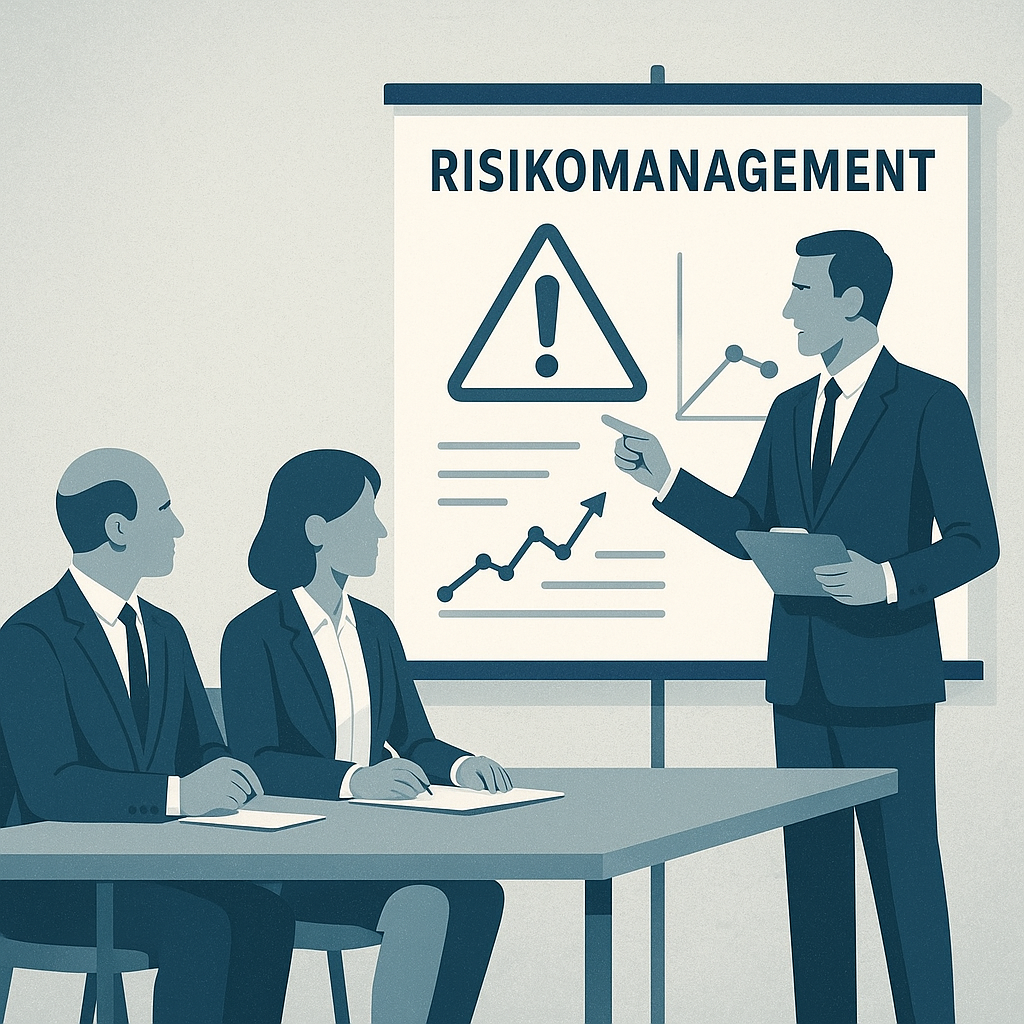
In today’sinterconnected world, the NIS 2 Directive sets out unambiguous obligations forexecutive management: it makes clear that ultimate accountability for anorganisation’s cybersecurity cannot be outsourced to IT teams alone and mustremain firmly with the board. Among other things, NIS 2 requires that boardmembers undertake regular, targeted training so they acquire the necessaryknowledge and skills to fulfil these duties.
Under theDirective, companies must embed cybersecurity as a core component of theiroverall business operations and risk-management framework. Although NIS 2 is anEU law and therefore does not directly apply in Switzerland, cybersecurity hasbecome part of the general duty of care: Swiss boards too are expected toprotect their organisations against cyber-risks, maintain up-to-dateincident-response and business-continuity plans, and demonstrate activeoversight at the highest level.
The BSI’spreliminary guideline on management training provides a practical startingpoint for designing and benchmarking a board-level cyber-security curriculum.Whether to meet EU requirements or to satisfy Swiss corporate-governance bestpractice, this recommendation can help boards gain a clear overview of thetopics they must address and structure an effective training plan.
-
The Board’s UnavoidableCybersecurity Responsibilities
· Cannotdelegate ultimate accountability: executives remain legally responsible forimplementing and overseeing risk-management measures.
· Mustintegrate cybersecurity into strategy and risk management, ensuring it informscorporate decisions at every level.
· InSwitzerland, directors’ general duty of care now encompasses cyber-riskprevention, incident readiness, and robust oversight.
-
The BSI’s Three-Pillar TrainingModel
To meet the training mandate under NIS-2, the BSI recommends sessions thatcover:
a) Risk Identification & Assessment: Understandingthreat scenarios, likelihoods, and potential impacts at a strategic level.
b) Risk-Management Practices: Familiaritywith the mandatory baseline measures from § 30 Abs. 2 BSIG-E and any additionalcontrols the organisation has implemented or plans to implement.
c) Impact Evaluation: Assessing howrisks and mitigation measures affect service availability, integrity,confidentiality, and business continuity.
-
Designingan Impactful Management Training Programme
· Whoattends? All natural persons legally responsible for directing and representingthe organisation, plus deputies in equivalent roles.
· Frequency& Duration: At least once every three years, with a minimum of four hoursper cycle; adjusted for higher risk exposure or leadership changes.
· ProvidersExternal cybersecurity trainers, specialised consultancies, or qualifiedinternal experts; a blended model helps tailor general content to theorganisation’s context.
· Core& Supplemental Curriculum
a) Core: NIS 2 overview, § 30 BSIG-Eduties, personal liability, incident-reporting obligations, emergency-responseplans.
b) Supplemental: Sector-specificthreats, supply-chain security, secure procurement, tabletop exercises and casestudies.
-
EmbeddingCybersecurity into Governance
· Documenttraining compliance: retain records of attendees, durations, and covered topicsfor internal audits and regulator reviews.
· Regularboard reporting: include KPIs (e.g., detection time, response time, openvulnerabilities) and updates on cyber-risk posture.
· Continuousimprovement: incorporate lessons from incidents, drills, and evolving threatsto refine both training and the organisation’s overall cybersecurity framework.
-
PracticalNext Steps for Boards -
Benchmarkexisting governance and training against the BSI guideline -
Identifyknowledge gaps and required skills in the boardroom. -
Developor commission tailored training aligned with the three-pillar model. -
Institutionalisedocumentation, reporting, and periodic reviews to demonstrate due diligence.
Conclusion
Cybersecurityhas transformed from a narrow IT topic into a core strategic responsibility forexecutive leadership. The BSI’s preliminary guideline on NIS-2 managementtraining provides a clear framework for crafting C-level courses, but, as aframework rather than a complete training programme, it cannot by itselfguarantee that boards satisfy their EU or Swiss governance obligations.Nevertheless, it serves as an excellent foundation for developing a tailoredcurriculum or agenda for senior-executive training.
Download BSITraining overview here